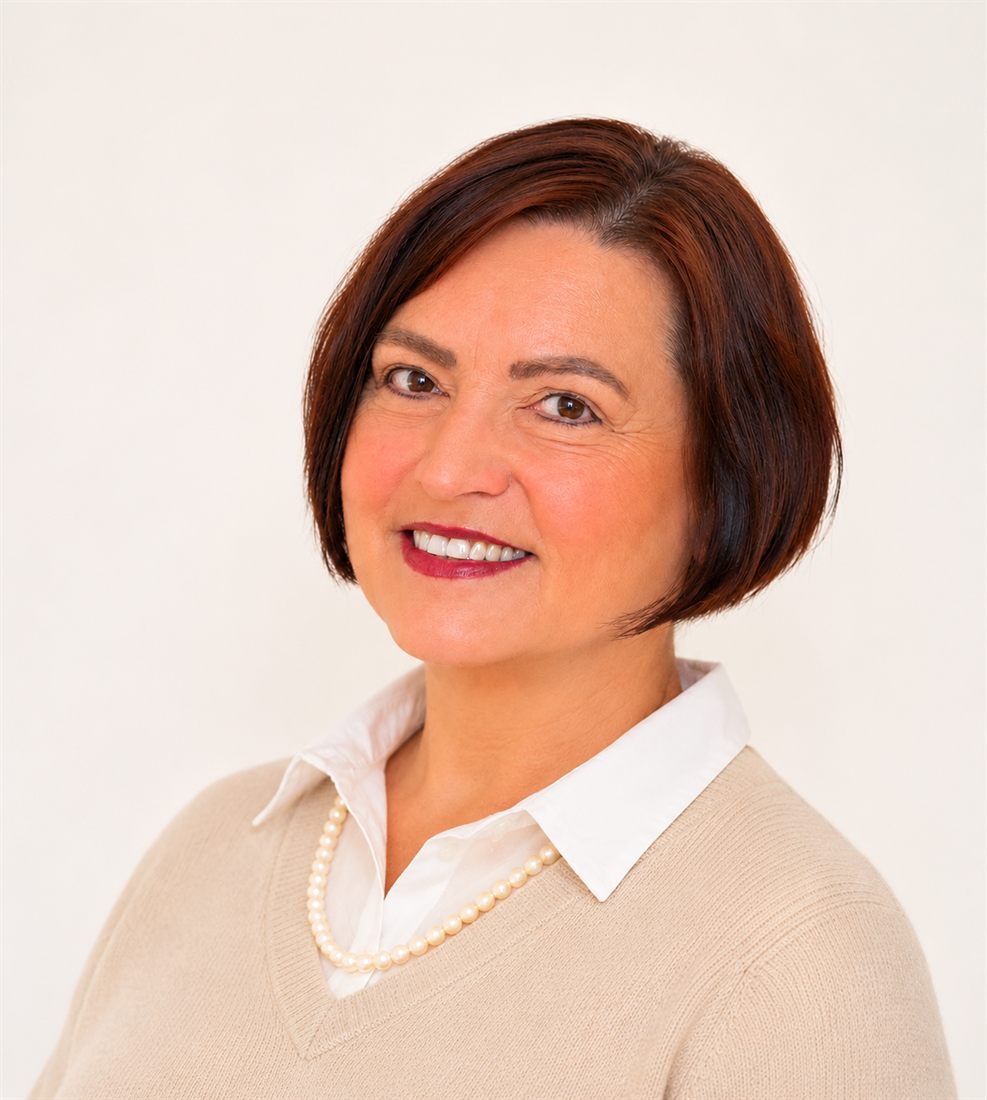
Eva McGovern has spent 27 years helping people move and feel better, first in Germany and now in Sandycove, Dublin.
Eva qualified as a physiotherapist in Germany in 1999 and has practised as an osteopath for over two decades, twenty-seven years in clinical practice in total. In Ireland she works as a registered osteopath. She is not a chartered physiotherapist here, but she brings the knowledge and skills from her physiotherapy training into every osteopathic treatment.
Over the years she has added postgraduate training in Atlas therapy, the Fascial Distortion Model (FDM) and the Spinal Flow Technique, all of which she combines within her osteopathic work. Together they give her more ways to read the body and choose the approach that fits the person in front of her.
She now sees patients in Sandycove, working with adults, expectant mothers, children and babies. Appointments are made directly with Eva.
"My main concern is the patient, and getting your body back into balance."
A combination of disciplines, so treatment is never one-size-fits-all.
Eva's main discipline, with over two decades in osteopathic practice.
Qualified in Germany in 1999. Not a chartered physiotherapist in Ireland; this knowledge is woven into her osteopathy.
Postgraduate training, combined with osteopathic treatment.
Fascial Distortion Model, combined with osteopathic treatment.
A gentle approach, combined with osteopathic treatment.
The first appointment is a full first assessment. Eva listens to your history, your pain and how it shapes your day, then carries out a thorough examination and gives your first treatment in the same session.
Treatment is gentle by default. Eva can make firmer adjustments where they genuinely help, but most of the time a lighter touch does the work.
Pain in one place often starts somewhere else. Eva looks at how everything is working together.
The aim is to address the source of a problem, not just quiet the symptom for a day.
Nothing happens without you understanding why, and treatment is paced to suit you.
Simple self-healing techniques help progress continue between visits.
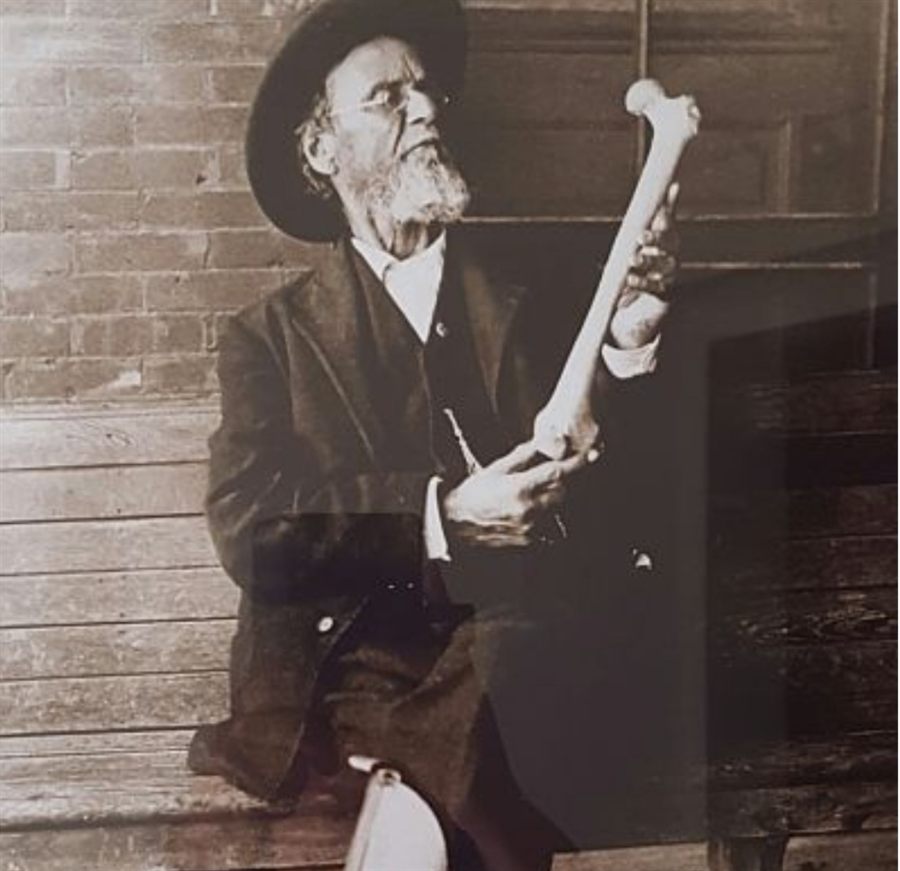
Osteopathy was founded in 1874 by Dr Andrew Taylor Still, an American physician who developed a holistic approach to healthcare, recognising the close relationship between the body's structure, its function and its natural ability to heal.
His work was further developed by pioneers such as John Martin Littlejohn, who emphasised the importance of physiology and biomechanics, and William Garner Sutherland, who introduced cranial osteopathy, exploring subtle movements and rhythms within the craniosacral system.
Later, Rollin Becker and James Jealous expanded these principles, contributing to the development of biodynamic osteopathy, a gentle approach that supports the body's own self-regulating and healing processes.
Today, osteopathy continues to evolve, combining its traditional philosophy with modern anatomical and clinical knowledge.
Eva is happy to talk through whether she can help.